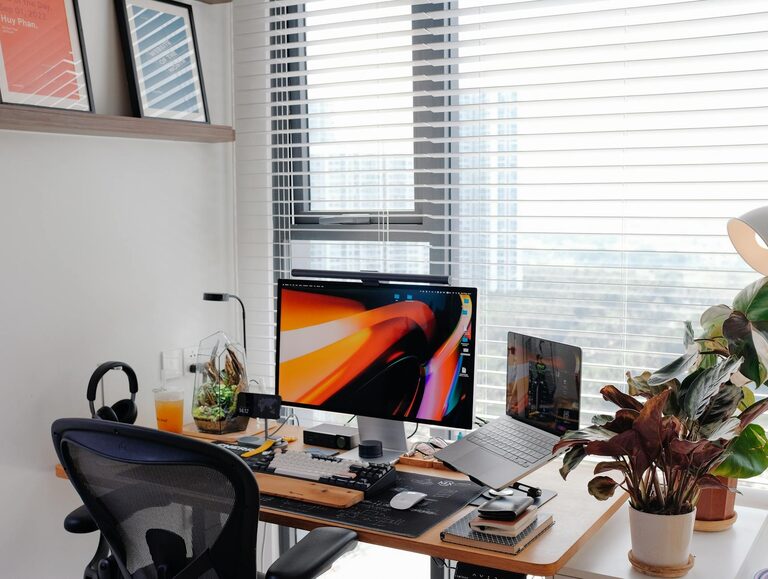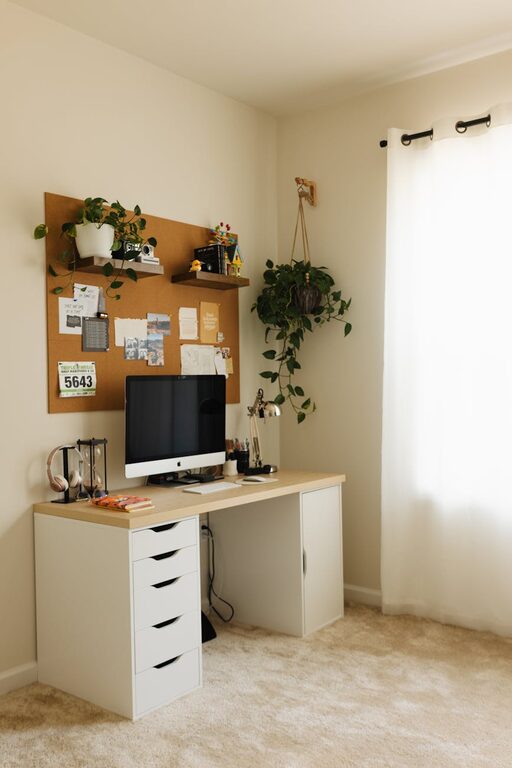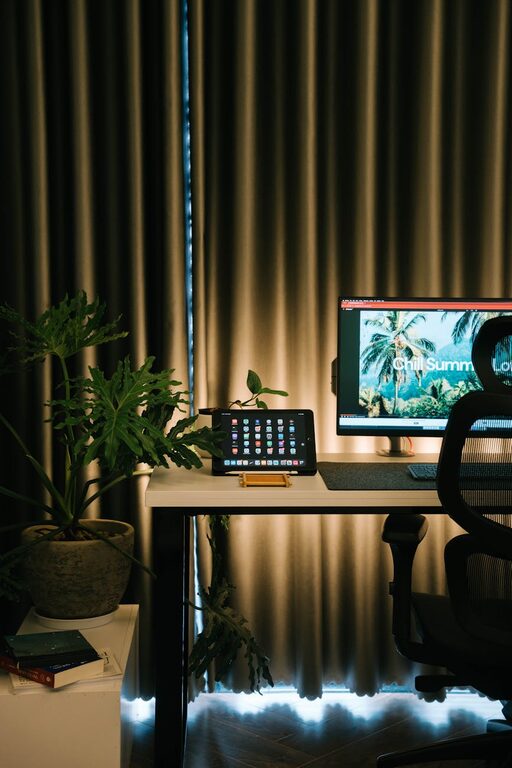
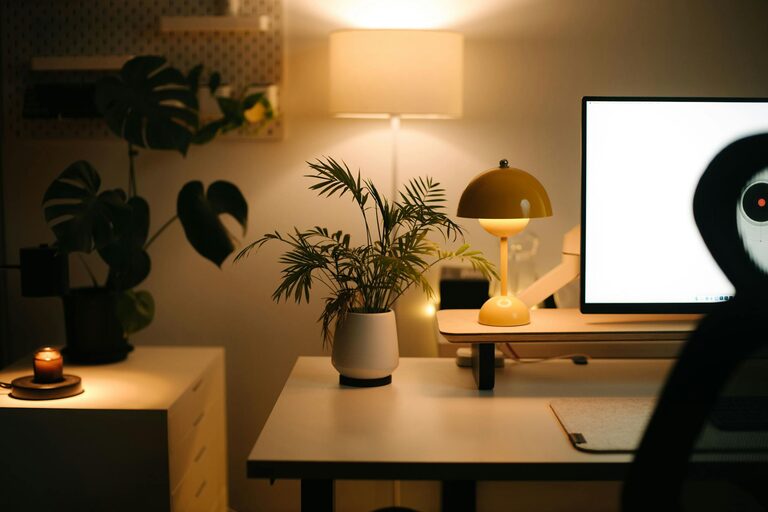
Creating a home workspace that is both cozy and functional can greatly improve your productivity and overall well-being while working from home. Whether you have a dedicated room or just a corner in your living room, the key is to design an environment that inspires focus, comfort, and creativity. In this post, we’ll share practical tips to help you craft a home workspace that feels inviting and supports your daily tasks.
Why a Cozy and Functional Workspace Matters
A workspace should encourage concentration and reduce distractions, but it also needs to be comfortable enough to spend hours in. A well-designed area can help reduce stress, prevent physical discomfort, and boost your motivation. By balancing aesthetics with practicality, you create a space that you look forward to starting your workday in.
Finding the Right Spot for Your Workspace
Choose a Quiet Area
Select a spot that offers minimal noise and interruptions. A corner of a less busy room or a spare room are ideal options. Avoid placing your desk near high-traffic areas like the kitchen or living room if possible.
Consider Natural Light
Natural light is one of the best elements for a pleasant workspace. Try to set up near a window where you can enjoy daylight, which can improve mood and energy levels. If natural light is limited, invest in good-quality artificial lighting that mimics daylight.
Essential Furniture and Equipment
Invest in a Comfortable Chair
A supportive chair is one of the most important items in your workspace. Look for adjustable options with proper lumbar support to maintain good posture throughout the day. Avoid using chairs meant for dining or casual seating, as they often lack ergonomic features.
Choose the Right Desk
Select a desk that fits your space and work needs. If you work with multiple devices or papers, opt for a larger surface to keep things organized. Consider desks with built-in storage to reduce clutter.
Organize with Storage Solutions
Keeping your workspace tidy can enhance focus. Use shelves, filing cabinets, or desk organizers to store documents, stationery, and personal items neatly within reach. Clear surfaces help minimize distractions.
Personalize for Comfort and Inspiration
Add Soft Textiles
Introduce cozy elements like a soft rug, cushions, or a throw blanket. These add warmth and texture, making your workspace feel inviting and less sterile.
Choose Calming Colors
Colors impact mood and productivity. Soothing shades such as pale blues, greens, or neutrals promote relaxation and concentration. If you prefer vibrant colors, use them as accents rather than the main palette.
Bring in Greenery
Plants brighten up any space and improve air quality. Choose low-maintenance varieties like succulents or snake plants that thrive indoors. A small plant on your desk or a larger one nearby can boost creativity and reduce stress.
Optimize Technology and Connectivity
Position Your Devices Wisely
Arrange your computer, monitor, and other devices to avoid glare and strain. Your screen should be at eye level, about an arm’s length away. Use cable organizers to keep cords out of the way and create a clean look.
Ensure Reliable Internet Access
A strong, stable internet connection is essential for uninterrupted work. Place your router close to your workspace or use a Wi-Fi extender to improve signal strength if needed.
Foster Healthy Work Habits at Your Desk
Take Movement Breaks
Even the most comfortable chair can’t replace the benefits of stretching and moving regularly. Set reminders to stand, stretch, or walk around every hour to reduce stiffness and improve circulation.
Keep Hydrated and Snack Wisely
Keep a water bottle nearby and choose healthy snacks to stay energized. Avoid eating at your desk to maintain a boundary between work and relaxation.
Lighting Tips for Different Times of Day
Use Layered Lighting
Combine overhead lights with task lighting such as desk lamps. This layered approach allows you to adjust brightness according to your needs, reducing eye strain during long hours.
Consider Adjustable Lamps
Choose lamps with adjustable brightness and color temperature. Cooler lights can help you stay alert during work, while warmer lights create a relaxing atmosphere when you’re wrapping up.
Manage Noise and Distractions
Use Noise-Cancelling Headphones
If ambient noise is unavoidable, noise-cancelling headphones help you focus better. They can also block out household sounds during calls or deep work sessions.
Play Background Music or White Noise
Some people find background music or white noise helps concentration. Experiment to find what works best for you, from instrumental music to nature sounds.
Keep Your Workspace Flexible
Create Multi-Use Spaces
If your workspace shares a room with other functions, use room dividers or curtains to separate work from personal life. Foldable desks or wall-mounted solutions save space and offer flexibility.
Try Standing and Sitting Options
Consider a sit-stand desk or adding a standing desk converter. Changing positions throughout the day can reduce fatigue and improve focus.
—
Creating a cozy and functional home workspace doesn’t require a massive renovation. Small, thoughtful changes make a big difference in how you feel and work. By incorporating comfort, good organization, and proper lighting, you’ll build a space that supports both your productivity and well-being. Take your time, experiment with what suits your style and needs, and enjoy the benefits of a workspace tailored just for you.
About the Author