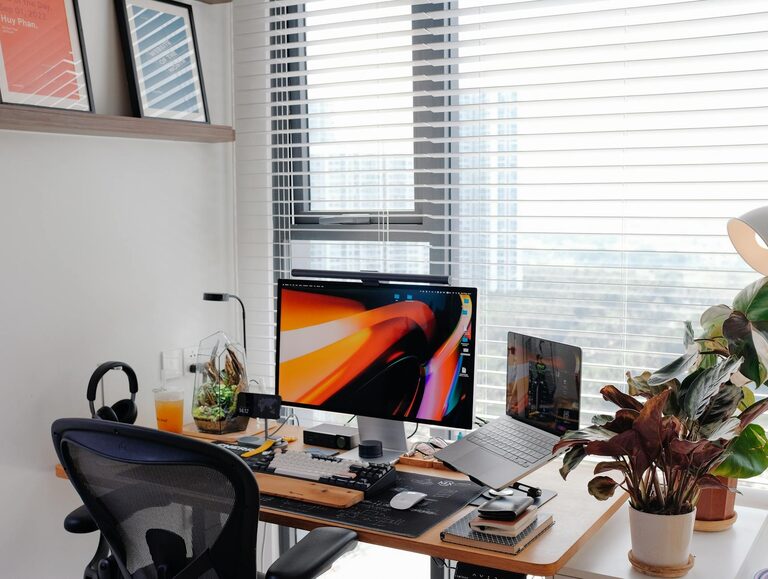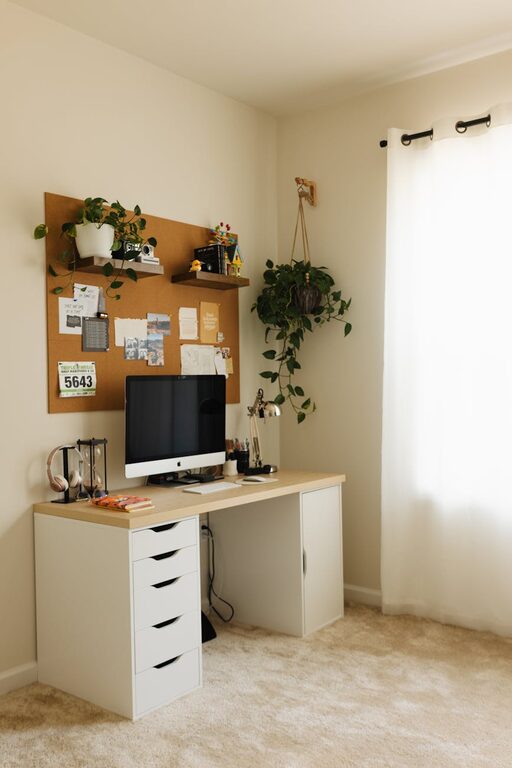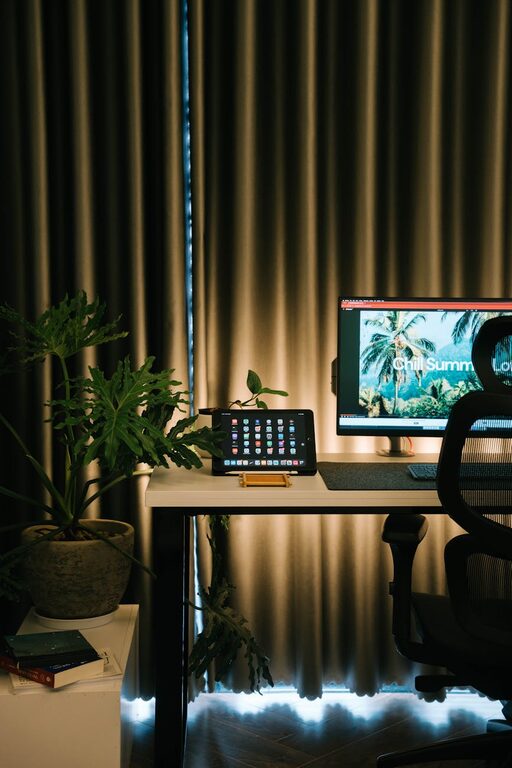
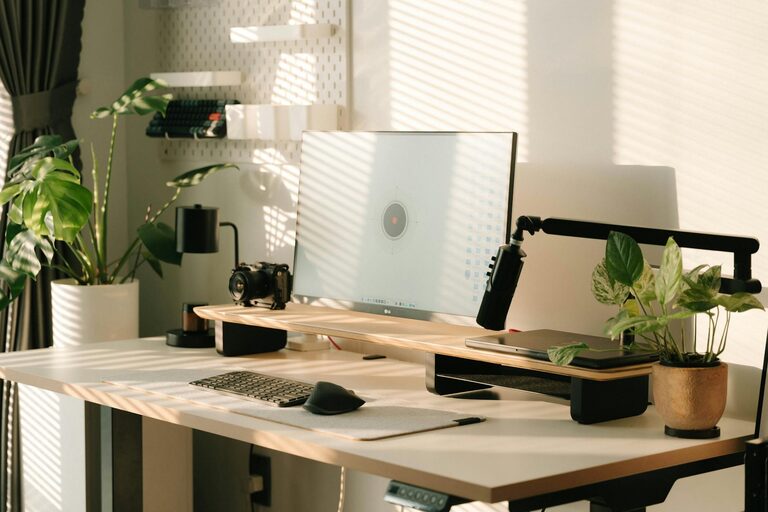
Creating a productive home workspace can make a significant difference in your daily work routine, boosting your focus and efficiency. Whether you work remotely full-time or occasionally need a dedicated space for tasks, organizing your home office is key to success. In this post, we’ll share effective tips to help transform your workspace into an organized and inspiring environment.
Why Organizing Your Home Workspace Matters
A cluttered or poorly arranged workspace can distract you, reduce motivation, and even affect your posture and health. In contrast, a tidy and well-planned office supports concentration, saves time, and helps separate work from home life. Taking the time to organize your space is an investment in your productivity and well-being.
Choosing the Right Location
Before diving into organization, select an appropriate spot in your home for your workspace.
– Find a quiet area: Aim for a spot where noise and distractions are minimal.
– Natural light is a plus: Position your desk near a window if possible, as sunlight can improve mood and energy.
– Consider privacy: Prefer a dedicated room or corner that allows you to focus without interruptions.
– Space for your needs: Ensure there’s enough room for your computer, documents, and any tools you require.
Essential Furniture and Equipment
Selecting the right furniture and tools creates a comfortable, efficient workspace.
– Desk: Choose a desk with enough surface area to hold your essentials without feeling cramped. Adjustable desks are great for alternating between sitting and standing.
– Ergonomic chair: Invest in a chair that supports your back well to maintain comfort during long work sessions.
– Monitor setup: Position your screen at eye level to reduce neck strain.
– Storage: Use shelves, drawers, or filing cabinets near your workspace to keep documents and supplies organized.
Declutter and Prioritize
Clutter can quickly build up and cause stress. Keep only items that you regularly use at your workstation.
– Clear your desk: Limit items on the desktop to essentials like your computer, notebook, and a pen holder.
– Sort paperwork: File documents immediately rather than letting them accumulate.
– Regular cleanup: Schedule weekly tidying sessions to maintain an orderly space.
Organizing Tools and Supplies
Use organizational tools to keep small items in order and within reach.
– Desk organizers: Trays, pen holders, and drawer dividers help separate items.
– Cable management: Use clips or ties to prevent cords from tangling.
– Labeling: Label drawers and folders so everything has its place and is easy to find.
– Digital tools: Organize files on your computer and cloud storage with clear folder structures and naming conventions.
Create a Productive Atmosphere
The environment you work in plays a role in your productivity.
– Personal touches: Add plants or artwork to make your space inviting without being distracting.
– Lighting: Use a combination of natural light and task lighting to reduce eye strain.
– Temperature control: Keep the room comfortable, with good ventilation.
– Noise control: Use noise-cancelling headphones or soft background music if needed.
Time Management Strategies in Your Workspace
Organizing your work area isn’t just about physical space; how you manage your time also impacts productivity.
– Use a planner or calendar: Keep track of deadlines and meetings.
– Set designated work hours: Create boundaries to separate work time from personal time.
– Take breaks: Use timers or apps to remind you to take regular short breaks.
– Prioritize tasks: Keep a visible to-do list to stay focused on your most important work first.
Tips for Maintaining Your Organized Workspace
An organized workspace requires ongoing maintenance.
– End-of-day routine: Spend 5-10 minutes tidying your desk before finishing work.
– Review supplies: Regularly check for items you no longer need and remove them.
– Adapt as needed: If something isn’t working, don’t hesitate to rearrange your space.
Conclusion
Organizing a productive home workspace is all about creating an environment that supports your best work habits. By choosing the right location, investing in ergonomic equipment, minimizing clutter, and using smart organization tools, you can boost your focus and efficiency. Remember to personalize your space and maintain your setup regularly to keep your productivity steady over time. With these tips, your home office will become a place where you enjoy working and achieve your goals.
About the Author