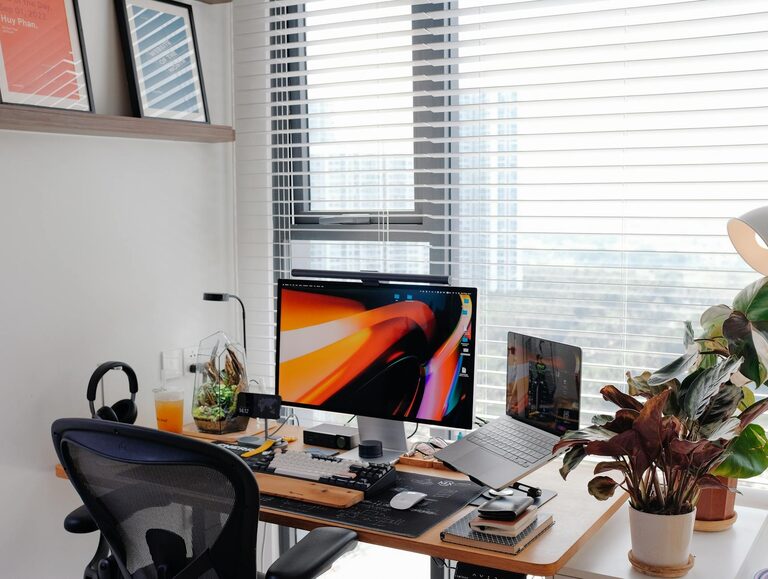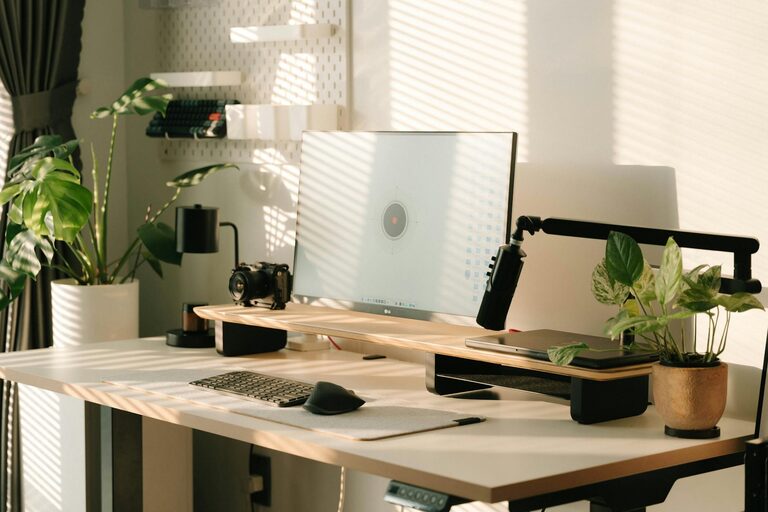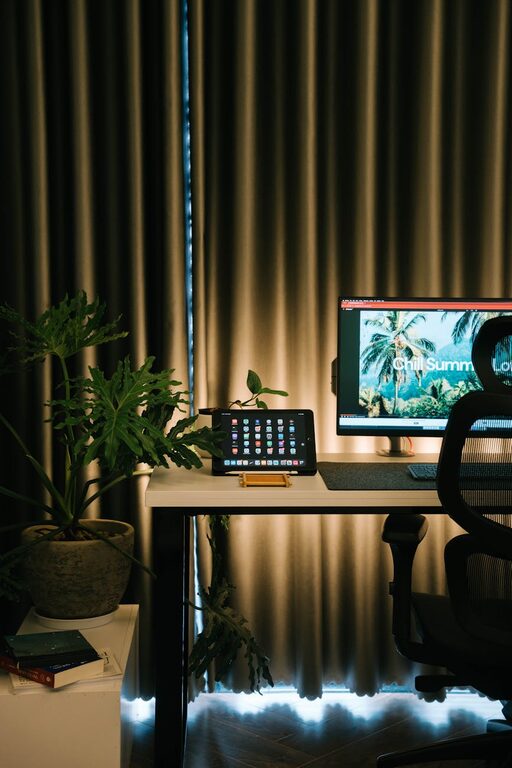
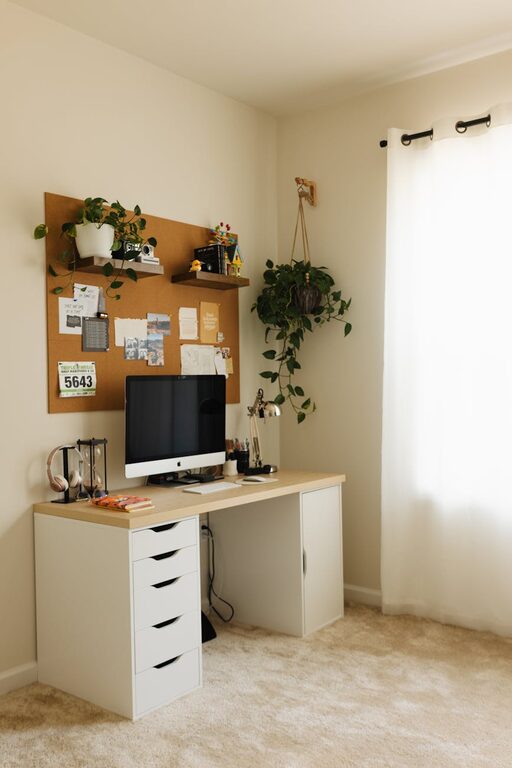
Creating a home office that is both cozy and productive can significantly enhance your work-from-home experience. Whether you’re starting from scratch or revamping an existing area, the right setup can help you stay focused and comfortable throughout the day. Here’s a detailed guide to help you design a home office space that balances efficiency with warmth.
Choosing the Right Location
The first step in creating a cozy and productive home office is selecting the ideal spot. Consider these factors:
– Natural light: A well-lit space with plenty of natural light can boost your mood and energy levels.
– Quietness: Pick a location away from high-traffic areas to minimize distractions.
– Space: Ensure you have enough room for your desk, chair, and any equipment without feeling cramped.
If space is limited, consider creative solutions such as converting a nook, part of your living room, or even a closet.
Selecting Comfortable and Functional Furniture
Your furniture choices will heavily influence both comfort and productivity.
Desk
– Opt for a desk with enough surface area to hold your computer, notepads, and other essentials.
– Consider adjustable desks or standing desks to give you the option to alternate your posture throughout the day.
Chair
– Invest in an ergonomic chair that supports your back and encourages good posture.
– Look for adjustable height, lumbar support, and comfortable cushioning.
Storage
– Use shelves, filing cabinets, or drawer units to keep your office tidy.
– Vertical storage solutions help maximize space without cluttering your work surface.
Organizing Your Workspace
A clutter-free workspace enhances focus and reduces stress.
– Cable management: Use clips or sleeves to keep cords organized and out of sight.
– Desk organization: Use trays, pen holders, and document organizers to keep essentials within reach.
– Digital organization: Regularly back up files and keep your computer desktop clean to speed up your workflow.
Adding Personal Touches for Coziness
Personalizing your workspace makes it inviting and can motivate you to spend time there.
– Use soft textiles like a cozy rug, cushions, or a throw to add warmth.
– Decorate with plants that improve air quality and add a natural vibe.
– Hang art or photos that inspire you without distracting your focus.
Optimizing Lighting
Good lighting can reduce eye strain and create a comfortable environment.
– Use a mix of natural light and adjustable artificial lighting.
– A desk lamp with adjustable brightness and direction is ideal for focused tasks.
– Avoid harsh overhead lighting or glare from screens.
Incorporating Technology Thoughtfully
Technology should support your productivity without causing frustration.
– Ensure high-speed internet and reliable devices.
– Use noise-canceling headphones if your environment is noisy.
– Choose peripherals like keyboards and mice that are comfortable to use for long periods.
Establishing Boundaries
Separating your work life from home life promotes better focus and relaxation.
– If possible, close a door or use room dividers to physically separate your office.
– Set clear working hours and communicate them with other household members.
– Create routines that signal the start and end of your workday.
Keeping Comfort in Mind
Comfort isn’t just about furniture; it’s about the overall environment.
– Maintain a comfortable room temperature and good ventilation.
– Have water and healthy snacks nearby to stay hydrated and energized.
– Take regular breaks to stretch and move around, which helps maintain energy and reduces fatigue.
Final Thoughts
Designing a home office that is cozy and productive doesn’t have to be complicated or expensive. With thoughtful planning and attention to your needs, you can create a space that encourages focus while making you feel at ease. Start small, prioritize what works best for you, and adjust your setup over time. Your ideal workspace awaits!
About the Author