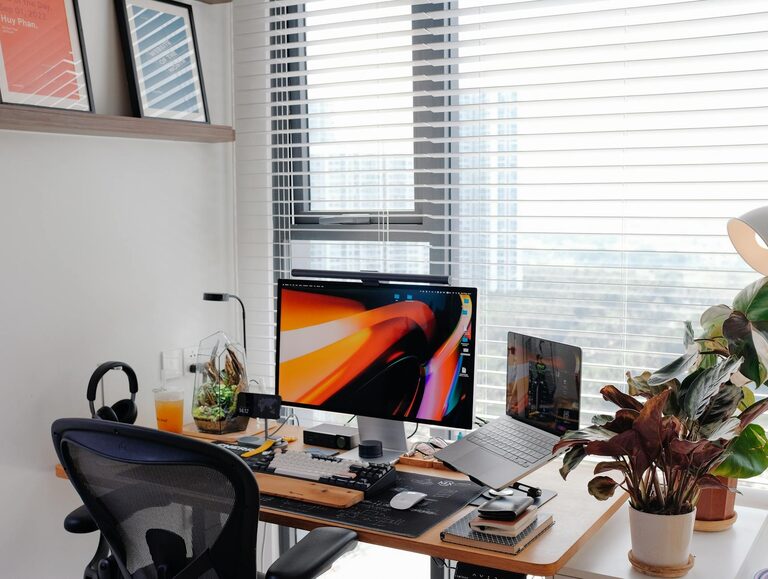
Creating a productive home office space has become more important than ever as many people embrace remote work. A well-designed workspace can help you stay focused, reduce distractions, and improve your overall work experience. Whether you’re just starting to set up your home office or looking to enhance your existing space, these practical tips can guide you toward creating an environment that supports your productivity.
Choose the Right Location
Selecting the best spot in your home for your office is the first step. Ideally, it should be a quiet area with minimal foot traffic and distractions.
– Natural Light: Pick a space with ample natural light to reduce eye strain and elevate your mood.
– Away from Noise: Avoid locations near noisy appliances or busy household areas.
– Dedicated Space: If possible, use a separate room rather than a corner in a bedroom or living area to clearly define work boundaries.
Invest in Ergonomic Furniture
Comfort plays a crucial role when you spend hours working at your desk.
– Chair: Choose an adjustable chair with good lumbar support to maintain proper posture.
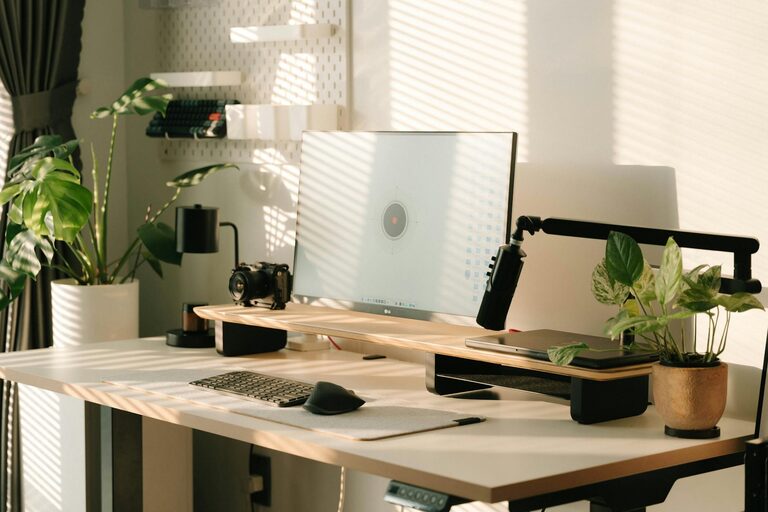
– Desk: Opt for a desk that fits your space and accommodates your work materials. Standing desks or adjustable desks can add flexibility.
– Monitor Placement: Keep your computer monitor at eye level to avoid neck strain.
Organize for Efficiency
Clutter can hinder productivity. Keeping your home office tidy helps streamline your work process.
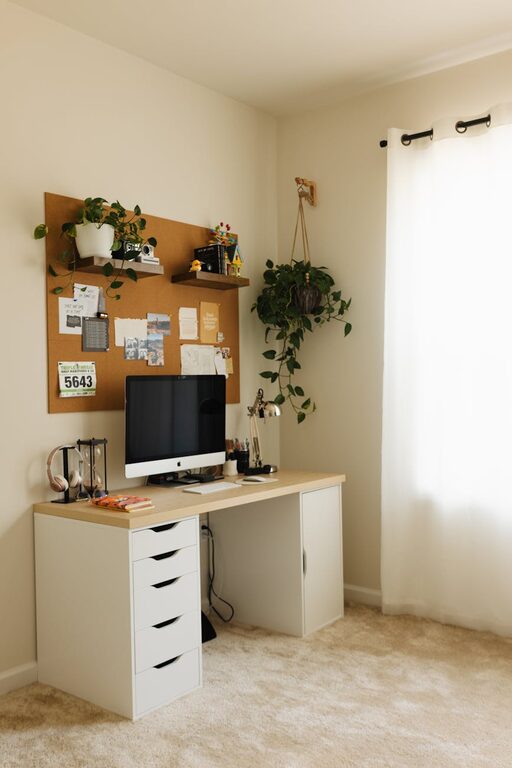
– Storage Solutions: Use shelves, filing cabinets, or drawers to keep documents and supplies organized.
– Desk Layout: Arrange frequently used items within easy reach.
– Cable Management: Use clips or cable organizers to prevent tangled cords.
Set the Right Lighting
Good lighting is essential to reduce fatigue and maintain focus.
– Natural Light: Maximize daylight but avoid glare on screens.
– Task Lighting: Consider a desk lamp with adjustable brightness for detailed work.
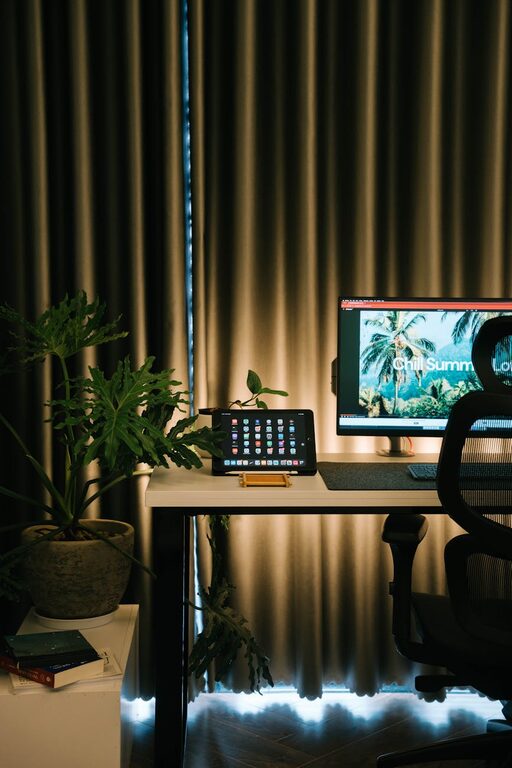
– Ambient Lighting: Soft overhead lighting can complement natural light.
Personalize Your Workspace
Adding personal touches can make your office more inviting and motivating.
– Plants: Indoor plants improve air quality and create a calming atmosphere.
– Artwork or Photos: Decorate with items that inspire you without being distracting.
– Color Scheme: Choose colors that enhance focus; for example, blues and greens are typically soothing.
Minimize Distractions
Creating a distraction-free zone is key to maintaining concentration.
– Noise Control: Use noise-canceling headphones or white noise machines if needed.
– Limit Digital Distractions: Designate specific times to check emails or social media.
– Clear Boundaries: Communicate your work hours with household members to reduce interruptions.
Establish a Routine
A consistent routine reinforces work habits and helps separate professional and personal time.
– Set Working Hours: Define clear start and end times for your workday.
– Breaks: Schedule regular short breaks to stretch and rest your eyes.
– Morning Ritual: Begin your day with activities that prepare you mentally, like planning your tasks or having breakfast away from your desk.
Use Technology Wisely
Equip your home office with technology that supports your workflow.
– Reliable Internet: Ensure a strong, stable internet connection.
– Productivity Tools: Use apps and software for task management, communication, and time tracking.
– Backup Equipment: Have spare chargers, batteries, or equipment in case of technical issues.
Keep it Healthy
Health and wellbeing are essential parts of productivity.
– Good Air Quality: Ventilate your space regularly.
– Movement: Incorporate standing or walking breaks to avoid sedentary habits.
– Hydration and Nutrition: Keep water and healthy snacks accessible.
—
Creating a productive home office space doesn’t require a complete overhaul or expensive purchases. With thoughtful choices around location, furniture, and organization, you can design a comfortable and efficient workspace tailored to your needs. By fostering the right environment, you set yourself up for success and a better balance between work and life.
About the Author