Creating a cozy and inviting home workspace is essential for anyone who spends significant time working from home. A comfortable environment can enhance focus, reduce stress, and make your workday more enjoyable. Whether you have a dedicated room or just a corner in your living space, these tips will help you transform it into a warm and welcoming area designed for productivity.
Choose the Right Location
Finding the best spot for your home workspace is the first step. Ideally, pick a place that gets enough natural light, is quiet, and has minimal distractions.
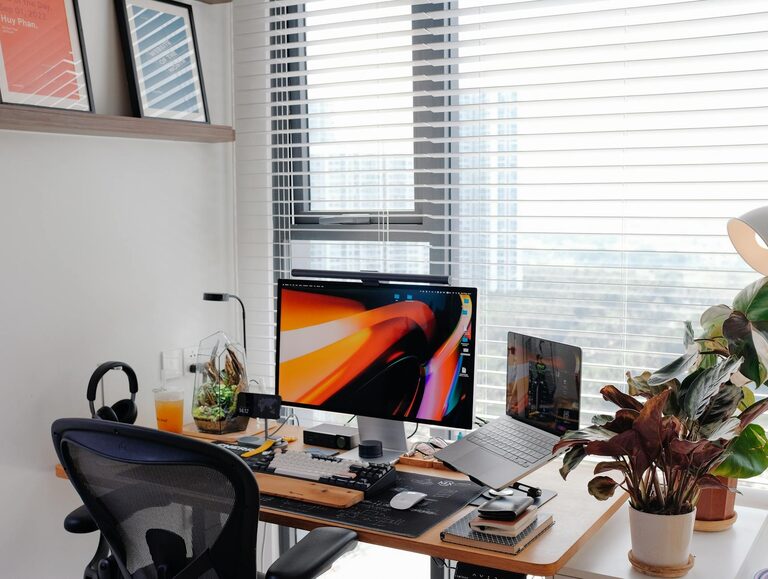
– Natural Light: Position your desk near a window if possible. Natural light can elevate your mood and reduce eye strain.
– Quiet Area: Avoid high-traffic zones in your home to maintain concentration.
– Space: Make sure there is enough room for your desk, chair, and any necessary equipment without feeling cramped.
Select Comfortable and Functional Furniture
When choosing furniture, prioritize comfort and ergonomics, as you may spend several hours in your workspace.
– Ergonomic Chair: Invest in a supportive chair that encourages good posture.
– Desk Size: Ensure your desk surface accommodates your computer, notebooks, and other essentials.
– Adjustable Options: Consider adjustable desks or chairs to customize your setup.
Personalize with Warm and Inviting Decor
Adding personal touches can make your workspace feel more inviting and less clinical.
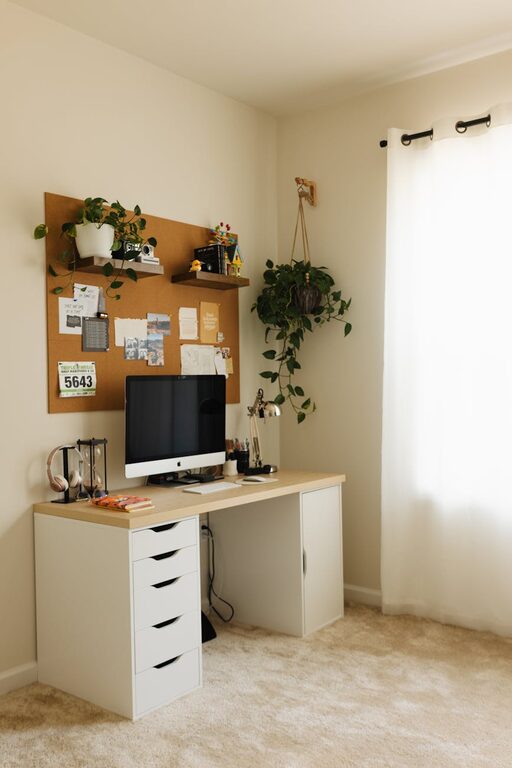
– Colors: Use warm, soothing colors on walls or accessories. Soft tones like beige, pastel, or muted greens can promote calmness.
– Plants: Incorporate a few easy-to-care-for houseplants to add life and purify the air.
– Artwork: Hang inspiring artwork or photographs that make you happy and motivated.
– Rugs and Textiles: Add a soft rug or cozy throw to soften the space and add texture.
Organize and Declutter Efficiently
A tidy workspace helps maintain focus and reduces anxiety.
– Storage Solutions: Use shelves, drawers, or organizers to keep supplies neat.
– Declutter Regularly: Remove items that don’t serve your current work needs.
– Cable Management: Use clips or sleeves to bundle wires, giving a cleaner look.
Enhance Lighting for Comfort and Productivity
Proper lighting plays a big role in comfort and efficiency.
– Task Lighting: A good desk lamp can prevent eye strain during late hours.
– Ambient Lighting: Consider soft overhead lights or lamps to reduce harsh shadows.
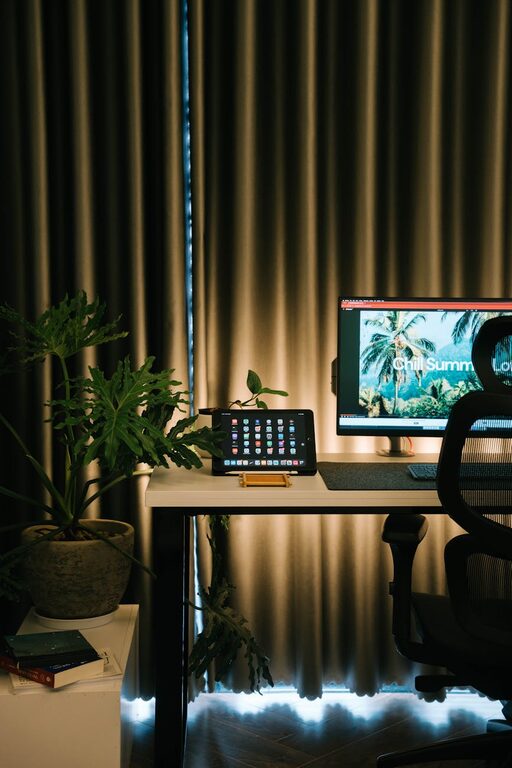
– Dimmer Controls: Adjustable lighting allows you to change the atmosphere based on time of day or task.
Bring in Comfort Elements
Small comforts go a long way in making your workspace a pleasant place to be.
– Comfortable Temperature: Use fans, heaters, or open windows to keep the temperature just right.
– Support Accessories: Wrist rests, footrests, or cushions can reduce physical strain.
– Refreshment Station: Keep water, coffee, or snacks nearby to stay energized.
Create Zones for Different Activities
If your space allows, design areas for various tasks.
– Focused Work: A clean desk for computer work or writing.
– Creative Space: A separate corner for brainstorming or sketching.
– Relaxation Spot: A comfortable chair or nook for breaks helps reset your mind.
Incorporate Technology Thoughtfully
Technology should support your workflow without overwhelming the space.
– Wireless Devices: Reduce cable clutter with wireless keyboards, mice, and chargers.
– Monitor Placement: Use stands or arms to position screens at eye level, reducing neck strain.
– Noise Control: Consider noise-canceling headphones or white noise machines to improve concentration.
Maintain Balance Between Work and Personal Life
Design your workspace to help you mentally separate work from leisure.
– Set Boundaries: Use room dividers, curtains, or specific decor to define your work area.
– End-of-Day Routine: Tidy up your workspace each day to signal the transition to personal time.
– Avoid Bedroom Spaces: If possible, don’t work from your bedroom to keep rest and work distinct.
Final Thoughts
Creating a cozy and inviting home workspace doesn’t require a big budget or a large area. By paying attention to lighting, furniture, organization, and personal touches, you can make a space that supports your well-being and productivity. Remember, the best workspace is one that fits your unique needs and makes you look forward to working each day.
About the Author