Creating a relaxing home workspace is essential for anyone working remotely or spending extended hours at home. A well-designed workspace not only enhances productivity but also helps reduce stress and maintain a healthy work-life balance. In this post, we’ll explore practical tips to craft a calming and comfortable home office that encourages focus and creativity.
Why a Relaxing Workspace Matters
When your workspace feels inviting and peaceful, your mind can settle, and distractions become easier to manage. This balance positively impacts your mood, motivation, and overall well-being. Without a comfortable environment, work can feel overwhelming, leading to burnout and frustration.
Choose the Right Location
Find a Quiet, Dedicated Spot
Ideally, pick a space in your home that is quiet and offers some separation from common areas. This helps create a mental boundary between work and relaxation. Whether it’s a spare room, a nook, or a corner of your bedroom, having a dedicated spot signals to your brain that it’s time to focus.
Consider Natural Light
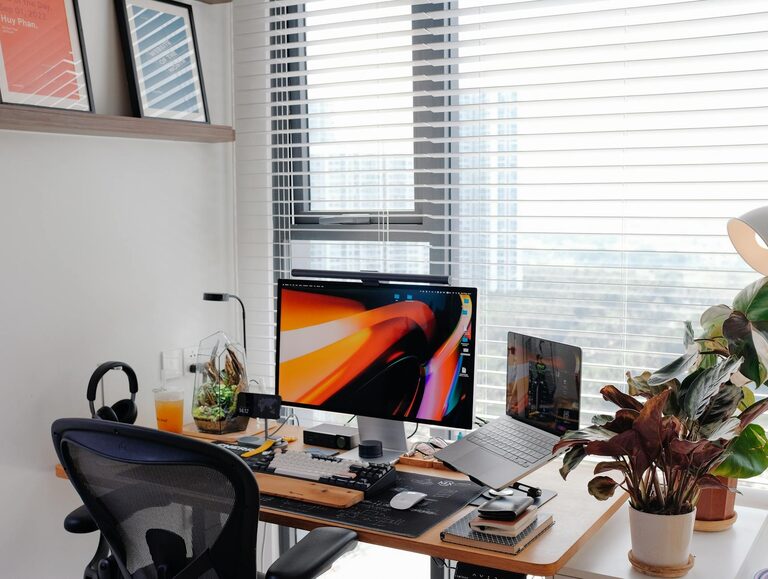
Natural light improves mood and alertness. Try to set up your desk near a window where you can soak in daylight. If that’s not possible, use warm, full-spectrum lighting to mimic natural light and avoid harsh fluorescents.
Organize for Calm and Clarity
Keep Your Desk Tidy
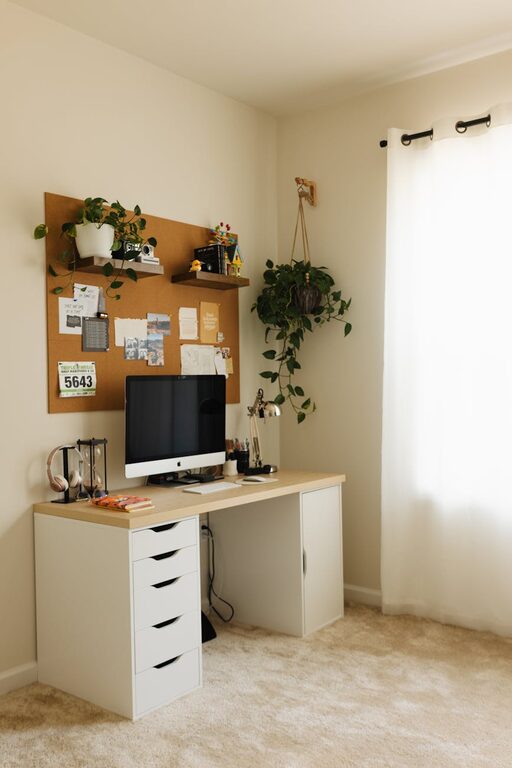
Clutter can increase stress and distract your mind. Keep only the essentials on your desk—computer, notebook, and necessary supplies. Use trays or drawers to store small items and keep surfaces clear.
Use Organizational Tools
Shelves, filing cabinets, and drawer organizers help keep papers and equipment in order. Having designated places for everything reduces the time spent searching for items and maintains a peaceful work environment.
Prioritize Comfort and Ergonomics
Invest in a Supportive Chair
Comfortable seating supports good posture and prevents back pain. Choose a chair with adjustable height, lumbar support, and cushioning that suits your body.
Adjust Your Desk Setup
Position your monitor at eye level to reduce neck strain. Keep your keyboard and mouse within easy reach to avoid tension in your arms. Small adjustments can boost comfort and reduce fatigue.
Incorporate Soothing Elements
Add Plants
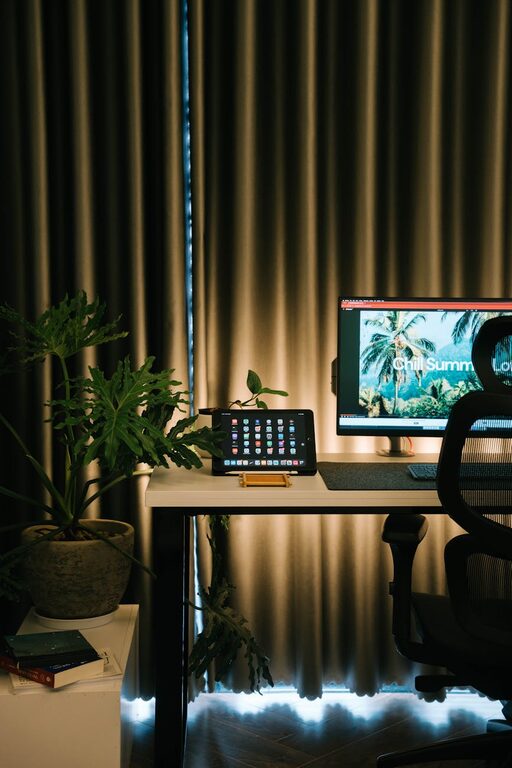
Indoor plants not only improve air quality but also create a calming atmosphere. Choose low-maintenance options like succulents or spider plants and place them on your desk or nearby shelves.
Use Soft Textiles
A cozy rug, a comfortable seat cushion, or soft curtains can make your workspace feel more inviting. These touches add warmth and reduce the clinical feeling of typical office setups.
Choose Calming Colors
Colors influence mood. Soft blues, greens, and neutrals tend to create a relaxing environment. You can apply these colors through wall paint, artwork, or desk accessories.
Limit Distractions
Manage Noise
Use noise-cancelling headphones or calming background music to drown out disruptive sounds. White noise machines or apps can help maintain focus in noisy households.
Keep Technology in Check
Turn off non-essential notifications on your computer and phone. Use apps to block distracting websites during work hours to maintain concentration.
Personalize Your Space
Display Inspiring Items
Add photos, artwork, or motivational quotes that make you feel happy and inspired. Personal touches can boost your mood and make working from home more enjoyable.
Maintain a Sense of Balance
Incorporate elements that remind you of hobbies or relaxation, such as a small diffuser with essential oils or a book you enjoy. These items can help you mentally switch between work and downtime.
Establish a Routine
Set Clear Work Hours
Having a schedule helps your brain recognize when it’s time to focus and when to relax. Stick to consistent start and finish times to maintain work-life balance.
Take Regular Breaks
Use techniques like the Pomodoro method—25 minutes of focused work followed by 5-minute breaks—to avoid burnout. Get up, stretch, or take a short walk to refresh your mind.
—
By following these practical tips, you can create a home workspace that feels peaceful and supports your productivity. The key is to design an environment that suits your needs while promoting a sense of calm and well-being. With the right setup, working from home can become a truly enjoyable experience.
About the Author